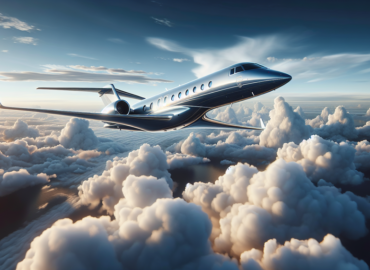



Skyrocketing Private Jet Taxes: A Bold Step for Sustainable Aviation
As the aviation industry grapples with mounting pressures to adopt sustainable practices, the notion of imposing higher taxes on private jet flights is gaining traction. The debate is centered around the environmental impact of private aviation and the role hefty taxes could play in curbing carbon emissions. In this article, we delve into the implications of increasing private jet taxes and explore how these measures could contribute to a more sustainable future.
The Environmental Toll of Private Aviation
Private jets, while luxurious and convenient, are notorious for their substantial carbon footprints. Compared to commercial flights, they emit significantly more CO2 per passenger. Key environmental concerns associated with private aviation include:
- High Carbon Emissions: Private jets produce roughly ten times the carbon emissions per passenger than commercial airlines.
- Frequent Short-Haul Flights: These flights are often shorter, yet still involve the same fuel-intensive takeoff and landing processes.
- Limited Passenger Capacity: With fewer passengers, the per capita emission rates are disproportionately high.
Given these factors, it is evident that private jets contribute heavily to the aviation sector's overall environmental impact.
The Case for Sky-High Private Jet Taxes
Imposing increased taxes on private jet flights is seen as a viable measure to discourage unnecessary use and promote environmental responsibility. Here are some arguments supporting this initiative:
1. Promoting Sustainable Choices
High taxes could serve as a deterrent for frequent private jet users, encouraging them to consider greener alternatives. By raising the cost of private flights, the policy aims to reduce the excessive environmental damage caused by unnecessary air travel.
2. Fostering Technological Innovation
The financial burden of increased taxation could drive innovation within the aviation industry. Companies may be motivated to invest in more sustainable technologies, such as electric or hybrid aircraft, to reduce operational costs and environmental impact.
3. Revenue for Green Initiatives
The additional revenue generated from these taxes could be allocated towards sustainable aviation projects. This includes programs focused on developing cleaner fuels or improving public transportation infrastructure.
Addressing Concerns and Criticisms
While the idea of higher private jet taxes is attractive to environmental advocates, it is not without its critics. Concerns regarding economic implications, personal freedom, and administrative feasibility have been raised. Key criticisms include:
- Impact on the Aviation Economy: Critics argue that higher taxes could hinder growth in the aviation sector, especially for smaller charter companies.
- Privacy and Individual Rights: Some see this as an infringement on personal freedom, limiting the ability of wealthy individuals to travel as they wish.
- Administrative Challenges: Implementing and enforcing such taxes could prove complex, requiring a coordinated international effort to be effective.
Exploring Alternative Travel Options
For those who still seek the convenience of private air travel while minimizing environmental impact, Empty Leg Flights offer an appealing alternative. By booking seats on repositioning flights, travelers can enjoy the benefits of private aviation at reduced costs, while also reducing the aircraft's overall environmental footprint. For more information on available flights, visit Swift Jet Aviation's Empty Leg Flights.
Conclusion
As the world increasingly acknowledges the urgency of environmental sustainability, measures like skyrocketing private jet taxes are gaining momentum. By curbing unnecessary private flights, promoting technological advancements, and reallocating funds to green initiatives, such taxes could play a pivotal role in shaping a more sustainable aviation future. While challenges remain, the potential benefits make this an idea worth considering for policymakers and industry leaders alike.
By embracing these changes, we can pave the way for a more sustainable air travel industry, balancing luxury and convenience with responsible environmental stewardship.