


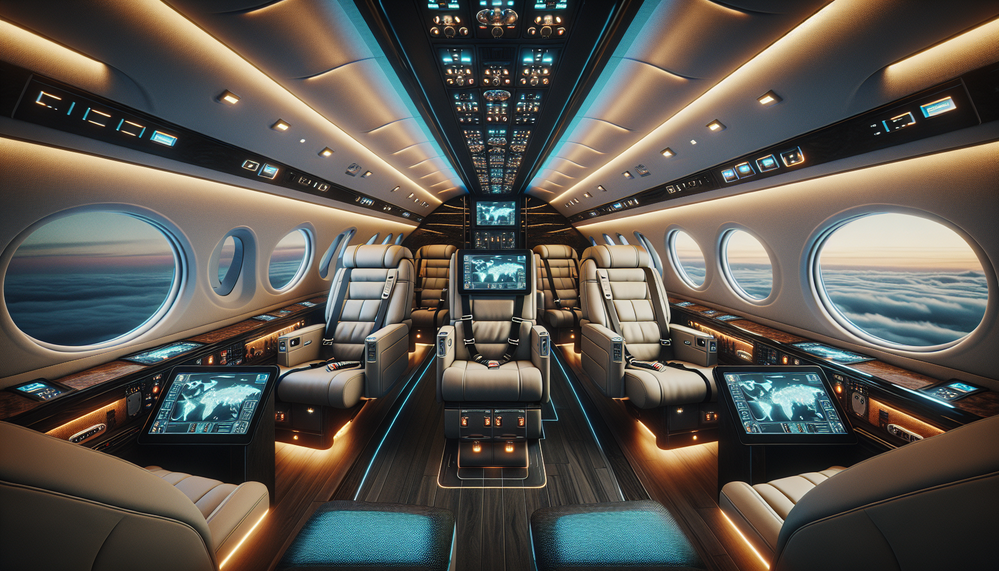
2030's Must-Have Safety Features for Every Private Jet
In the rapidly evolving realm of private aviation, safety and luxury are not mutually exclusive but are increasingly intertwined. As we approach 2030, the expectations for modern safety features in private jets are soaring higher than ever. Ensuring that your private jet is not only a symbol of opulence but also a bastion of safety is paramount. So, what safety features are becoming a must-have for every private jet?
Revolutionary Safety Technologies Redefining Private Aviations
The integration of cutting-edge technology is paving the way for unprecedented safety measures in private jets. By 2030, it's anticipated that certain safety features will become standard, reshaping the aviation industry.
1. Advanced Avionic Systems
- Real-Time Data Monitoring: Systems capable of monitoring live data to anticipate potential issues.
- AI-Powered Flight Assistance: Utilizing artificial intelligence to assist pilots in decision-making processes.
2. Enhanced Emergency Protocols
- Automatic Emergency Landing Systems: Innovations that allow jets to autonomously land safely during emergencies.
- Onboard Fire Suppressant Systems: Highly effective systems to rapidly manage and contain onboard fires.
3. Innovative Structural Designs
- Reinforced Cabin Structures: Materials and designs that offer greater impact resistance.
- Advanced Turbulence Mitigation: Technologies designed to reduce the effects of turbulence on passengers.
4. State-of-the-Art Passenger Safety
- Smart Safety Seats: Adaptable seating with integrated safety harnesses for enhanced passenger protection.
- Comprehensive In-Flight Surveillance Systems: Cameras and sensors to allow monitoring of the cabin environment and passenger wellness.
5. Improved Communication Systems
- Satellite-Linked Communication Devices: Ensuring constant and reliable contact with ground control and emergency services.
- Robust Cybersecurity Measures: Protecting against potential cyber threats that could compromise flight safety.
The Intersection of Safety and Luxury
Achieving the perfect synergy between safety and luxury is the key to redefining private jet standards. Future jets are expected to:
Prioritize Passenger Comfort: Luxury is not sacrificed for safety; ergonomic designs ensure comfort is maintained.
Incorporate Seamless Technological Integration: Advanced technologies are anticipated to be seamlessly integrated into the luxury experience, providing both safety and convenience for travelers.
The Economic and Environmental Impact
Aligning with global initiatives for safety and environmental consciousness, the aviation sector is poised to:
Adopt Sustainable Practices: Utilizing eco-friendly materials and energy-efficient technologies to reduce carbon footprints.
Drive Economic Efficiency: Innovations that promise to lower operational costs and increase the longevity of aircraft.
Conclusion
As we soar towards 2030, the transformation of private jets into paragons of safety and luxury reflects a broader commitment to excellence in aviation. The integration of these must-have safety features not only represents a significant advancement in technology but also a pledge to protect what matters most – human life. Private jets of the future will not merely be about getting from one point to another in style, but ensuring that every journey is made with the utmost security.
"The future of luxury aviation is secure, not just extravagant." – Aviation Expert
By embracing these innovations, private jet owners and manufacturers are setting a new standard, ensuring that the skies are safer and more comfortable than ever before. As we approach the next decade, these safety features are not just enhancements but essentials for any modern private aircraft.
For more insights on the evolution of luxury private jets and advancing safety technologies, explore more.