

Future Private Jets: Will They Break the Sound Barrier?
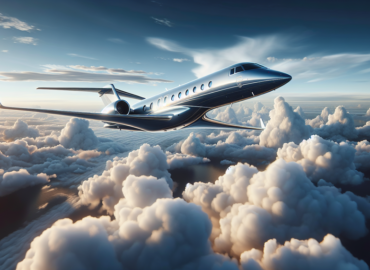
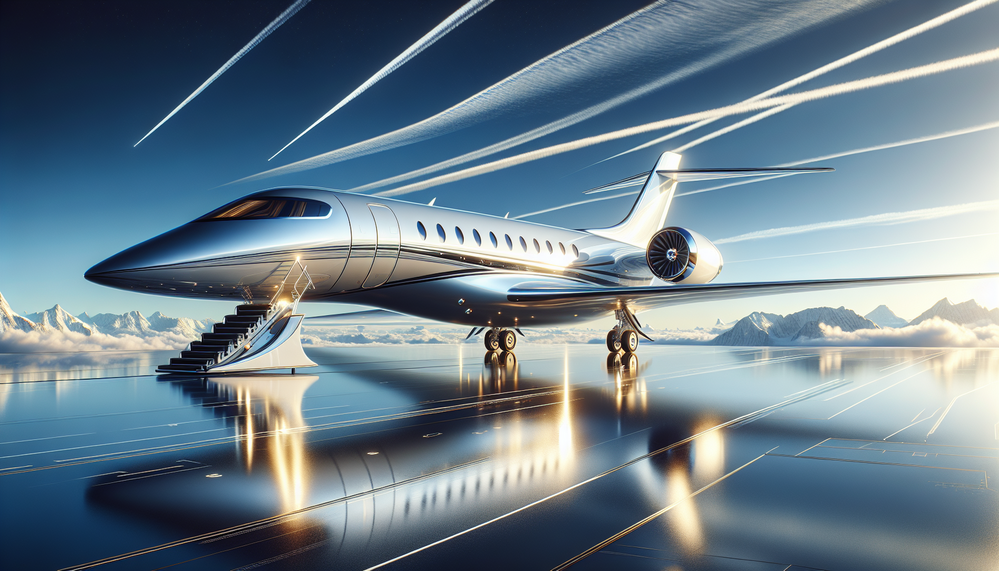
In the ever-evolving world of aviation, the quest for speed and luxury has always been a driving factor. As technological advancements continue to push the boundaries, one question remains at the forefront: will the private jets of the future fly faster than sound? This article explores the resurgence of supersonic travel and its implications for the future of private aviation.
The Return of Supersonic Travel
For those who remember, the Concorde was a marvel of engineering that captured the world's imagination. It promised to shrink continents and make the world more connected. However, the iconic aircraft was retired in 2003 due to high operational costs and various logistical challenges. Since then, the dream of supersonic travel has lingered, but advancements in technology may soon turn this dream into reality.
Key Factors Driving Supersonic Revival
Technological Advancements:
- Aerodynamics and Materials: Modern composite materials and more efficient designs promise to overcome the challenges that plagued the Concorde.
- Engine Technology: New engines are being designed to reduce noise pollution and increase fuel efficiency, making supersonic travel commercially viable.
Environmental Concerns:
- Sustainability: With a global focus on reducing emissions, new projects are incorporating sustainable practices in their designs.
- Regulatory Support: Updated regulations are paving the way for supersonic jets that can meet stringent environmental standards.
Market Demand:
- Time-Sensitive Travel: Business professionals and celebrities who value time-saving solutions are driving demand for faster travel.
- Luxury and Exclusivity: Private supersonic jets represent the pinnacle of luxury travel, appealing to an elite clientele.
Companies Pioneering Supersonic Private Jets
Several innovative companies are leading the charge in resurrecting supersonic flight. Among them:
- Boom Supersonic: Aiming to introduce the Overture, a commercial jet expected to travel at speeds up to Mach 1.7.
- Aerion Supersonic: Their AS2 private jet is designed to cruise at Mach 1.4 and is slated for delivery in this decade.
- Spike Aerospace: Known for the Spike S-512, a jet promising a blend of speed and silent flight.
Challenges Ahead
While the promise of supersonic private jets is tantalizing, several challenges must be addressed:
- Economic Viability: Costs associated with development, manufacturing, and operation can be prohibitive.
- Noise Levels: The infamous "sonic boom" remains a hurdle for regulatory approval.
- Public Perception: Safety concerns and environmental impact must be responsibly managed.
“The future of aviation is not just about faster speeds, but about creating sustainable, efficient, and luxurious transportation options.”
Conclusion
The return of supersonic travel, especially in the realm of private jets, marks an exciting new chapter in aviation history. As technology continues to develop, the next decade promises to be one of innovation and breakthrough. Whether for business or leisure, the allure of flying faster than sound is a testament to human ingenuity and our relentless pursuit of progress.
Further Reading
If you're fascinated by the future of aviation and want more insights into supersonic travel, consider visiting Private Jet Finder's blog for more in-depth articles and industry updates.
By staying informed on these developments, you'll not only understand the impact of supersonic travel on private aviation but also appreciate the technological strides being made in the quest for speed and luxury.