


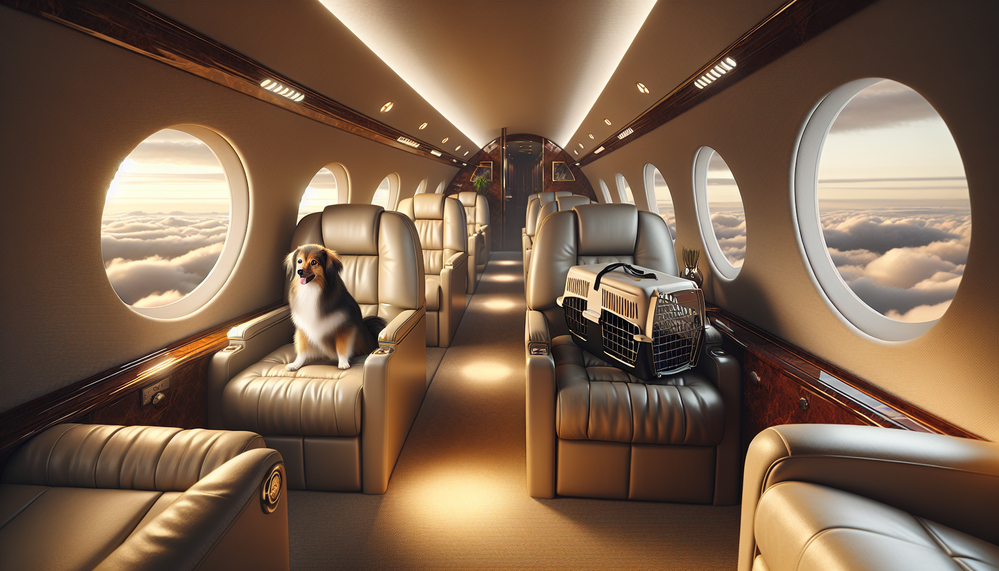
Why Aircraft Hold Pressurization Puts Pets at Risk: What Every Pet Owner Should Know
Traveling with pets can be a stressful experience for both animals and owners. One of the critical concerns for pet owners is the impact of aircraft hold pressurization on their furry companions. While many airlines assure that the cargo hold is safe for pets, understanding the reality of aircraft hold pressurization is crucial. This comprehensive guide explains why pressurization can put pets at risk and what steps you can take to ensure your pet's safety during flight.
Understanding Aircraft Hold Pressurization
The cargo hold of an aircraft is designed to be pressurized, just like the passenger cabin. This process helps maintain adequate oxygen levels and temperature. However, it's important to note the following complexities:
Inconsistent Conditions: Despite being pressurized, the cargo hold conditions can vary widely. Factors such as aircraft type, altitude, and flight duration play significant roles in determining the exact environment your pet will experience.
Temperature Fluctuations: While the hold is generally temperature-regulated, it may not be as consistent as the passenger cabin. Sudden temperature changes can affect pets differently, especially those with health conditions.
Noise Levels: The noise level in the cargo hold can be higher than in the cabin due to proximity to engines and landing gear, which might be stressful for animals.
Why Pressurization Can Be Dangerous for Pets
Pets, especially dogs and cats, have unique physiological and psychological needs that can be exacerbated by flight conditions. Here are some reasons why pressurization might pose a risk:
Stress and Anxiety: The unfamiliar environment, noises, and separation from their owner can heighten stress levels in pets, potentially leading to anxiety-induced health issues.
Breathing Difficulties: Certain breeds, such as brachycephalic (short-nosed) dogs and cats, already have compromised respiratory systems. Changes in pressure and oxygen level fluctuations can exacerbate these issues, making it hard for them to breathe comfortably.
Dehydration Risks: The low humidity in the cargo hold can cause dehydration, a condition that affects small and young animals more severely.
Health Complications: Older pets or those with pre-existing health conditions are more susceptible to the stress of flight conditions, which can lead to serious health complications.
What Every Pet Owner Should Know and Do
To ensure the safety and comfort of your pet during air travel, consider the following steps:
Consult a Veterinarian: Before flying, have your pet examined by a veterinarian to ensure they are fit to travel. Discuss any potential risks and get advice tailored to your pet's specific health needs.
Choose the Right Airline: Not all airlines have the same pet policies or safety records. Select an airline with a strong reputation for handling pets safely.
Acclimate Your Pet: Familiarize your pet with their travel crate to reduce stress. Let them spend time in it at home, so it's a safe and comfortable space during the flight.
Stay Informed About Policies: Airline pet travel policies can change. Stay updated on regulations regarding crate size, documentation needed, and any recent incident reports.
Keep Your Pet Hydrated: Ensure your pet has access to water during the flight, either through a water bottle or absorbent materials in their crate.
Final Thoughts
Safeguarding your pet during flights is essential to ensuring their health and wellbeing. While aircraft hold pressurization is a critical factor, understanding all aspects of the travel experience will help you mitigate risks. By taking proactive steps and staying informed, you can make air travel a safer experience for your beloved pet.
Remember: Always prioritize your pet's health and comfort when planning air travel. A little preparation can go a long way in ensuring a smooth journey for both you and your pet.
By staying informed and making thoughtful decisions, you can provide your pet with the care and assurance they need to travel safely.