

2030's Must-Have Luxury Safety Innovations for Private Jets
In the ever-evolving world of aviation, the demand for enhanced safety features combined with luxury amenities continues to soar. By the year 2030, private jets are expected to incorporate groundbreaking safety innovations that not only ensure passenger protection but also redefine the luxury air travel experience. This projection stems from the increasing accessibility of advanced technologies and a renewed focus on the well-being of high-net-worth individuals who often travel via private aircraft.
Key Safety Innovations for Private Jets
As we approach 2030, here are some of the must-have safety features that could become the standard in private jets:
1. Advanced Collision Avoidance Systems
Modern jets might come equipped with:
- 360-degree Radar Systems: Offering real-time alerts and automatic avoidance maneuvers.
- AI-Powered Piloting: Artificial intelligence that assists or even surpasses human pilots in decision-making during critical situations.
2. In-Flight Medical Facilities
Health emergencies can happen anytime. Future private jets may include:
- Telemedicine Capabilities: Allowing passengers to consult with doctors in real-time.
- Automated Medical Equipment: Such as portable defibrillators with sensors that can monitor and respond to passengers' health conditions instantly.
3. Enhanced Fire Suppression Systems
Safety against fires is paramount. Expected future advancements include:
- Smart Suppression Technology: Sensors and drones within the jet that detect and extinguish fires automatically.
- Advanced Fire-Resistant Materials: The latest in materials science to construct interior designs that are not only luxurious but also resistant to fire.
4. Cybersecurity Measures
With increasingly digital cockpits and in-flight connectivity, cybersecurity is more crucial than ever:
- AI-Driven Security Systems: Proactively monitoring and countering cyber threats.
- Encrypted Communication Channels: Ensuring privacy for sensitive business discussions held on-board.
5. Eco-Friendly Systems
Safety isn't just about the immediate physical environment:
- Reduced Carbon Footprint: Incorporating sustainable fuels and emission-reducing technologies.
- Noise-Cancelling Engines: Enhancing comfort and reducing environmental noise pollution.
The Intersection of Luxury and Safety
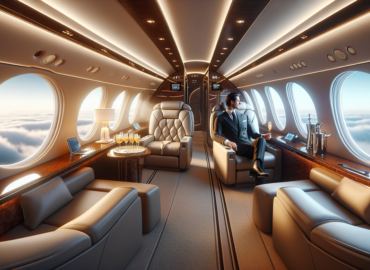
While safety remains a priority, luxury features will continue to be integral to the private jet experience:
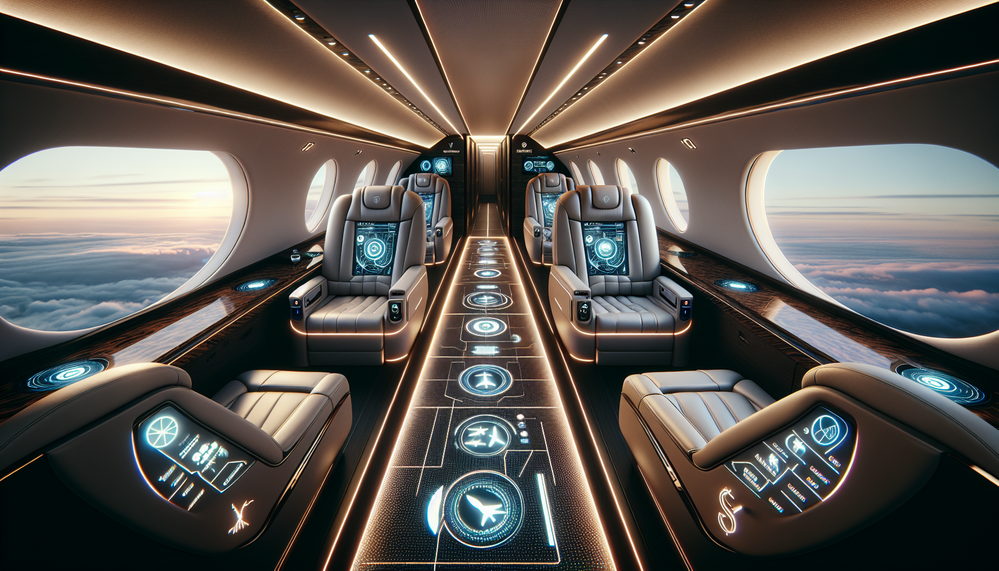
- Customizable Interiors: Merging safety with style, featuring cutting-edge designs tailored to personal tastes.
- Smart Technologies: Integrating control of cabin elements like lighting and climate to be managed through voice or smartphone apps.
Conclusion
The private aviation industry is poised for significant advancements by 2030, driven by necessities of safety coupled with extravagant comfort. As manufacturers and engineers innovate, the line between luxury and safety will blur, resulting in private jets that promise both serenity in the skies and security on all fronts. Pilots and passengers can look forward to an era where the richness of the journey is matched only by the assurance of safe travel.
“Innovation in aviation isn't just about technology. It’s about ensuring peace of mind for every passenger, harmonizing security with luxury.” – Aviation Expert, 2023
As these developments unfold, we can expect private jets to not only meet but surpass today's standards, making each flight an epitome of safety and elegance. By 2030, the skies will be home to a new standard of private air travel, where luxury is inseparable from security.